Why the Proforma Deserves Attention
In most cross-border equipment deals, the proforma invoice arrives early. It lists the goods, the price, the delivery terms and the payment conditions, and the buyer usually uses it to open a letter of credit or send a deposit. That makes it the point where money starts moving, long before anyone has seen the machine.
A proforma is not a contract and it does not prove anything on its own. It is a seller's statement of what they intend to supply. Treating it as a verified document is the most common mistake we see in industrial procurement, and it is also the easiest to avoid.
Step 1: Confirm the Supplier Exists and Does What It Claims
Before looking at the price, confirm who you are dealing with.
- Company registration. Check the legal name, registration number and address against the official business registry in the supplier's country. The name on the proforma, the bank account and the registry entry should all match.
- Manufacturer or trader. Many suppliers present themselves as manufacturers when they are distributors or brokers. That is not a problem in itself, but it changes the questions you ask about warranty, spare parts and technical support.
- Authorisation from the brand. If the supplier is selling a branded product (a compressor, a CNC controller, a pump), ask for a dealer or distributor authorisation letter and confirm it directly with the brand's regional office. Do not rely on the letter alone.
- Physical capacity. A factory audit or a short site visit by an independent inspector tells you whether the supplier actually has the floor space, machinery and staff to deliver the order in the promised time.
Step 2: Read the Proforma Line by Line
A good proforma is specific. A risky one is vague. Look for:
- Exact model numbers and configurations, not just product families. "Centrifugal pump, 50 m³/h" is not enough. You want the model, the motor rating, the materials of the wetted parts and the applicable standard.
- Country of origin for the main unit and any major sub-components.
- Incoterms stated clearly (for example FOB Shanghai or CIF Bandar Abbas under Incoterms 2020), so you know exactly where risk and cost pass to you.
- What is included. Spare parts, commissioning, training, documentation and packing for sea freight are often assumed and then billed separately.
- Payment terms and bank details that match the registered company name. A request to pay a different entity, or a personal account, is a red flag that needs an explanation before anything else happens.
Step 3: Test the Price
A price that is far below the market is not a bargain until you know why. Typical reasons include older or refurbished stock, a lower-grade material, a different motor brand, or missing accessories. Occasionally it is fraud.
To test the price:
- Request at least two comparable quotations for the same specification.
- Ask the original manufacturer for a reference price or a list price range, where they will provide one.
- Compare the price per unit of capacity (per kW, per tonne per hour, per square metre) rather than the headline number.
- Check the price against recent customs or trade data where it is available for your market.
A price far above the market also needs explaining, especially when an intermediary sits between you and the manufacturer.
Step 4: Verify the Equipment Before It Ships
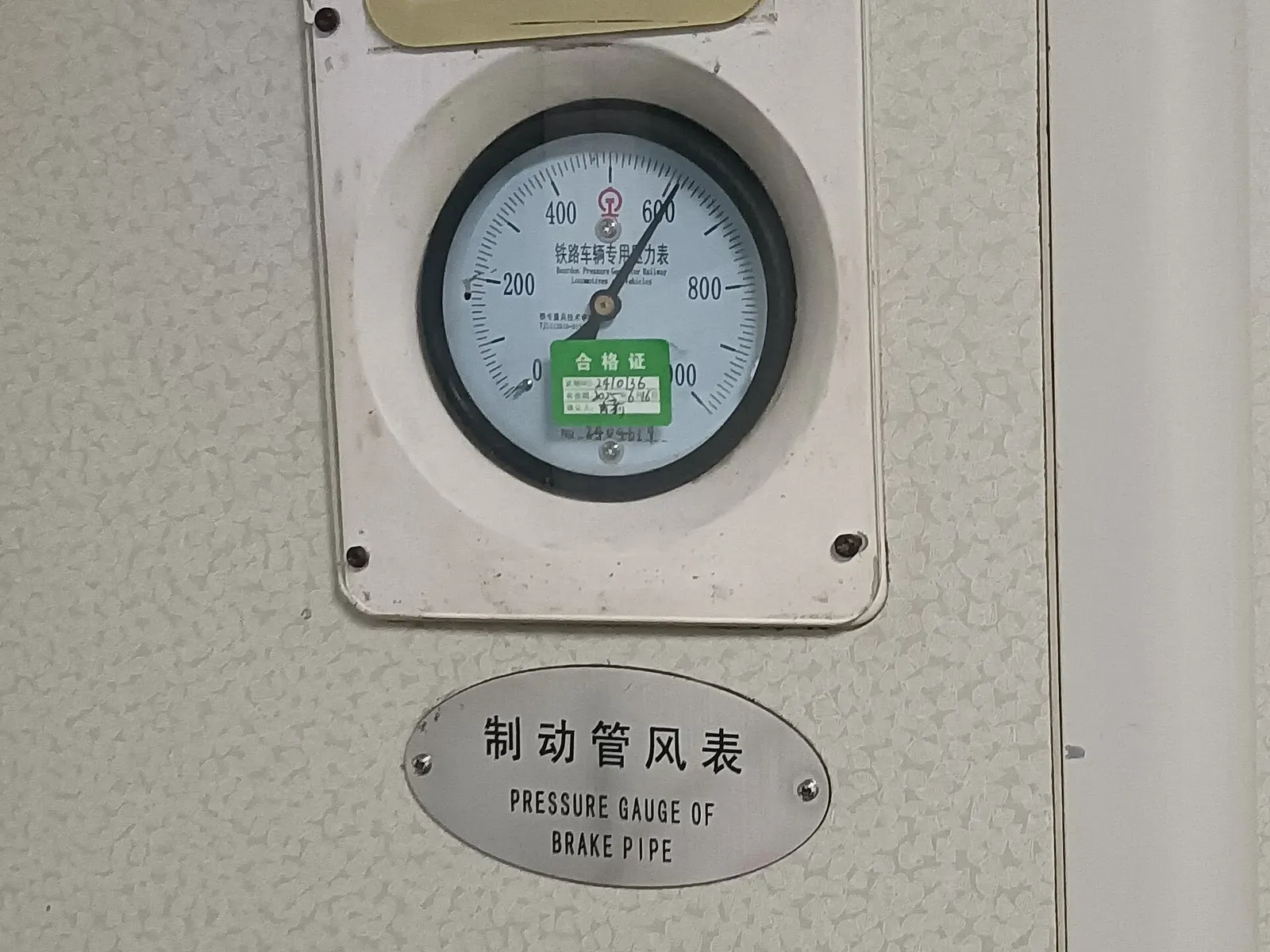
Paperwork checks only go so far. The final confirmation comes from seeing the goods.
- Pre-production check for custom-built equipment, to confirm materials and drawings before fabrication begins.
- Factory acceptance test (FAT) for machines that can be run at the supplier's site, witnessed by your own inspector.
- Pre-shipment inspection to confirm quantity, model numbers, serial plates, nameplate data, packing and marking against the proforma and the purchase order.
Serial numbers and nameplates are worth photographing and checking with the manufacturer. Counterfeit and relabelled components are a real problem in some categories, especially bearings, valves, electrical protection devices and control electronics.
Warning Signs Worth Pausing For
- Pressure to pay the full amount quickly, or a "price valid today only" deadline
- Reluctance to allow an independent inspection
- Bank account in a different country or name from the company
- Generic photos or catalogue images instead of pictures of your actual unit
- Certificates that cannot be confirmed with the issuing body
- Email domains that do not match the company website
None of these prove fraud on their own, but each one is a reason to slow down and ask questions.
How NCT Helps
Our confirmation of authenticity and proforma price service covers the checks above: supplier background, brand authorisation, price benchmarking and on-site verification. When the goods are ready, our pre-shipment inspection team confirms that what is in the crate is what you paid for.
If you have a proforma on your desk and want a second opinion before you pay, get in touch.