Start With the Specification, Not the Catalogue
Most equipment purchases go wrong before the first supplier is contacted. The buyer browses catalogues, finds a machine that looks right, and asks for a price. The supplier then quotes their standard model, which may not suit the plant's power supply, raw material or output target.
A short written specification avoids this. It does not need to be long, but it should cover:
- Output in units that matter to your process (tonnes per hour, pieces per shift, litres per minute)
- Input material with its real-world variation, not only the ideal grade
- Site conditions: voltage and frequency, ambient temperature, altitude, dust, humidity and floor loading
- Standards the equipment must meet, such as CE marking, IEC electrical standards or a national standard in your country
- Integration with existing machines, control systems and utilities
- Operator skills available on site, which affects how much automation makes sense
Sending the same specification to every supplier also makes their quotations much easier to compare.
Compare Total Cost, Not Purchase Price
The invoice price is often less than half of what the equipment will cost over its life. When comparing offers, include:
- Freight, insurance, customs duties and local taxes
- Installation, foundations and utility connections
- Commissioning and operator training
- Energy and consumables over a realistic operating period
- Spare parts and planned maintenance
- Expected downtime and the cost of each hour the line is stopped
A cheaper machine with an unusual control system and no local service partner can easily end up costing more than a better-supported one.
Agree on Incoterms Early
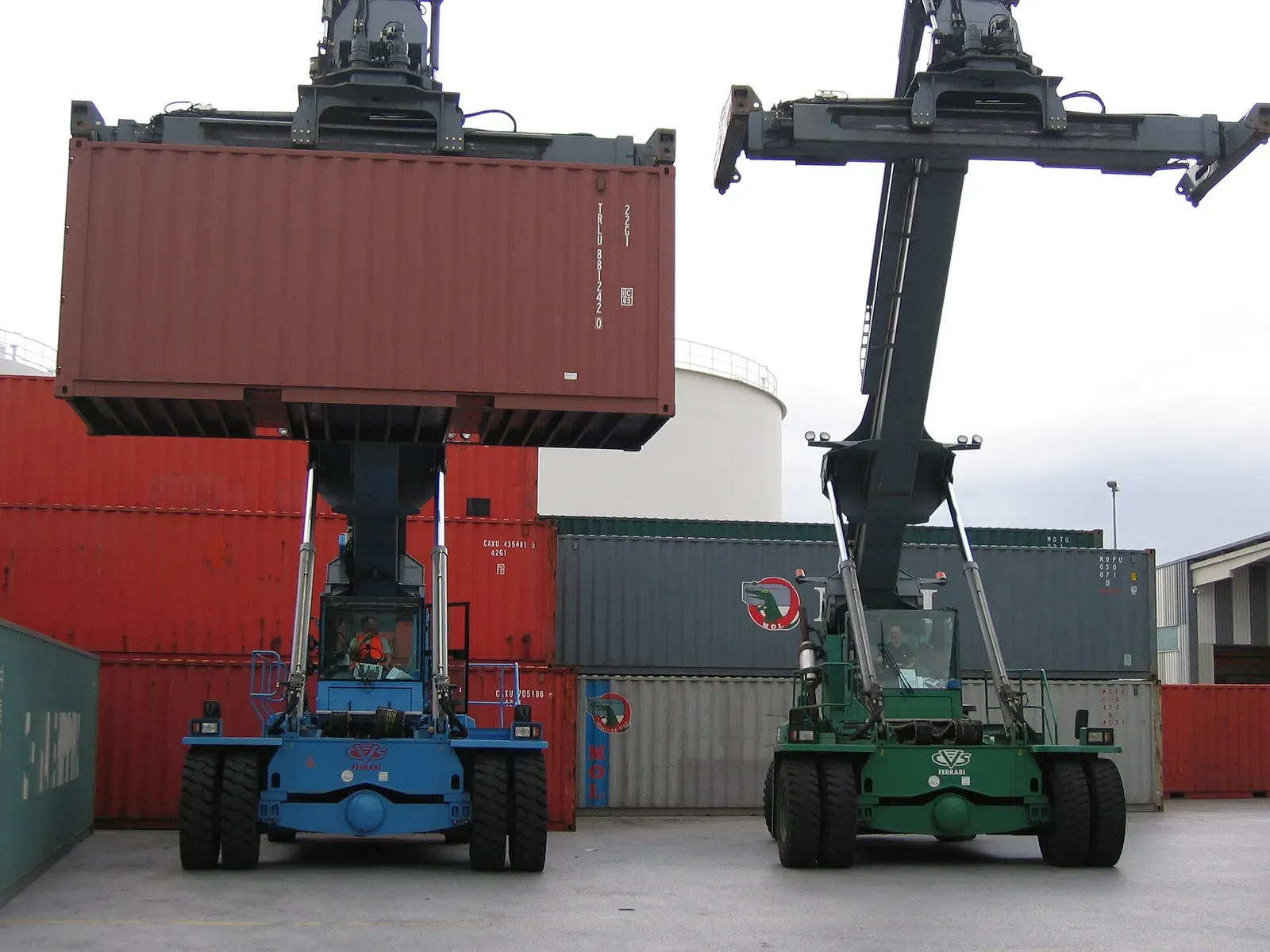
Incoterms define who pays for transport, who carries the risk at each stage, and who handles export and import clearance. Two quotations with the same price can be very different deals if one is EXW (you collect from the factory) and the other is CIF or DAP (the seller delivers to a port or named place).
For heavy or oversized equipment, also confirm early:
- Packing method and whether it is suitable for sea freight and multiple handlings
- Whether the shipment needs flat racks, open-top containers or break-bulk shipping
- Lifting points, weights and dimensions for every crate
- Who arranges the crane and transport at the destination
Plan Inspections Into the Schedule
Inspections are easier to arrange when they are written into the purchase order from the start. A typical sequence for a custom machine:
- Document review of drawings, material certificates and the inspection and test plan
- In-process inspection at key fabrication stages, such as welding and machining of critical parts
- Factory acceptance test with the machine running, using your own material where possible
- Pre-shipment inspection of quantity, marking, packing and loading
Make the final payment milestone depend on a passed factory acceptance test and an inspection report, not only on the shipping documents.
Think About Spare Parts Before the Machine Arrives
Long lead times for spare parts are one of the most common reasons imported equipment sits idle. Ask each supplier for:
- A recommended spare parts list for commissioning and for the first two years
- Which parts are proprietary and which are standard items available locally
- Expected lead times for critical parts
- How long the supplier commits to supplying parts for this model
Ordering a commissioning spares kit with the machine is usually cheaper than urgent air freight later.
Documentation You Should Receive
Agree on the documents in the contract, and in which language. At a minimum:
- Operation and maintenance manuals
- Electrical and hydraulic or pneumatic diagrams
- PLC program backups and any passwords needed to maintain it
- Material and test certificates for pressure parts and critical components
- Certificate of origin and any conformity certificates required for import
Missing PLC backups and wiring diagrams are a frequent source of long breakdowns years after installation.
Where NCT Fits In
Our trade and commerce team works on both sides of this process. We help define the requirement through purchase advisory, source and supply industrial equipment and spare parts, and coordinate inspections with our engineering and inspection team so the machine is checked before it leaves the factory.
If you are planning an equipment purchase and want help with the specification or supplier selection, contact us.